
Men’s Heart Health by Age: The Signs You Should Not Ignore This February
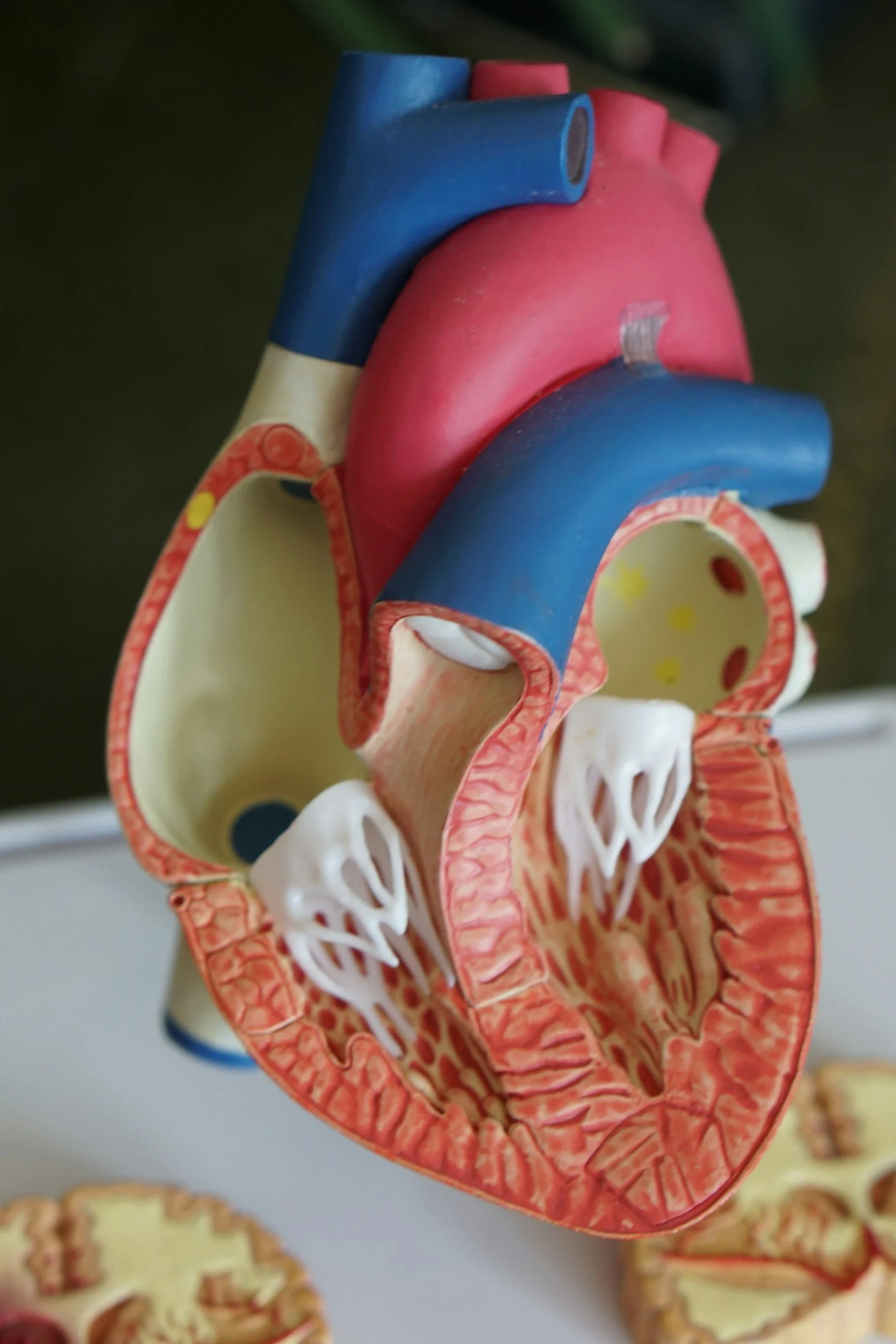
February is American Heart Month, and it is the perfect time for men to get honest about cardiovascular health. Heart disease rarely shows up out of nowhere. It usually builds quietly through blood pressure, cholesterol, blood sugar, sleep, stress, and inflammation, then finally announces itself when the body has run out of margin. This guide breaks men into age ranges and lists common “signs”. If any of these sound familiar, we can help you turn uncertainty into a clear plan. Contact The Cove Concierge Medicine anytime with a complimentary Meet & Greet.
A quick note before we start
This article is educational and not a diagnosis. If you have chest pressure, trouble breathing, fainting, sudden weakness, or symptoms that feel scary or unusual, do not wait. Call 911 or go to the nearest emergency department.
Why men’s heart health needs its own conversation
Many men are trained to power through symptoms, minimize stress, and delay care until life “slows down.” The problem is that cardiovascular disease often progresses silently. The earlier we catch risk, the more options you have, and the less aggressive your treatment needs to be.
If you want a thoughtful, unhurried cardiovascular risk review with a primary care team that actually has time to connect the dots, reach out here: Meet the Dr.
What counts as a heart-related red flag right now
If you have any of the following, treat it as urgent:
Chest pressure, squeezing, fullness, or pain that lasts more than a few minutes, or goes away and returns
Shortness of breath at rest or with minimal activity, especially if new
Pain or discomfort that spreads to arm, back, neck, jaw, or upper stomach
Cold sweat, nausea, vomiting, or sudden lightheadedness with chest discomfort or breathing changes
Fainting, near-fainting, or a new irregular heartbeat that feels severe
If you are unsure, it is safer to get checked than to “wait and see.”
Men 20 to 35: Build the baseline and catch the sneaky stuff early
In your 20s and early 30s, heart risk is often more about habits, family history, sleep, substance use, and early blood pressure or cholesterol changes. This is the decade where “I feel fine” can still hide important trends.
Common questions for men in this age range.
“Why is my blood pressure high in my 20s?”
High blood pressure is not just a future problem. It can start early, especially with stress, high sodium intake, weight changes, sleep apnea, nicotine, stimulants, or genetics. Even mild elevations can add up over time.
“My heart races after energy drinks, pre-workout, or ADHD meds”
Palpitations can be benign, but they can also reflect dehydration, stimulant effects, anxiety, thyroid issues, or rhythm problems. If it is new, frequent, or paired with dizziness or chest discomfort, it deserves a real evaluation.
“Chest tightness when I run, but it goes away when I stop”
Some men assume this is just being out of shape or having asthma. Sometimes it is. Sometimes it is the body warning you that your heart is working harder than it should. The pattern matters.
“I feel lightheaded when I stand up or lift heavy”
Could be hydration, blood pressure shifts, or over-breathing. It can also be a sign to look closer at rhythm, anemia, or blood pressure regulation.
“What labs should I get in my 20s to check my heart health?”
This is a smart question. A baseline cholesterol panel, blood pressure trend, blood sugar screening when appropriate, and a family history review can change your entire trajectory.
What to focus on in this age range
Know your numbers: blood pressure, cholesterol, weight trend, and fitness baseline
Ask about family history: early heart attacks, strokes, high cholesterol, sudden death
Sleep is not optional: persistent snoring or daytime sleepiness can signal sleep apnea, which raises cardiovascular risk
Nicotine and vaping matter, even if you “only do it socially”
If you want a baseline plan that is specific to your life, schedule a Meet and Greet here
Men 36 to 49: The “busy years” when risk accelerates quietly.
This is a common decade for blood pressure to climb, weight to shift, sleep to worsen, and stress to become chronic. You may still feel capable and productive, which is exactly why risk can go unnoticed.
Common questions for this age range:
“High blood pressure at 40, do I need medication?”
Sometimes lifestyle changes are enough. Sometimes medication is the safest option to protect your heart, kidneys, eyes, and brain. The best answer depends on your overall risk profile, not just one reading.
“Shortness of breath climbing stairs all of a sudden”
New breathlessness is worth taking seriously, even if you have gained weight or been less active. It can reflect deconditioning, anemia, asthma, sleep apnea, or cardiac strain. The key word is new.
“Why am I getting heart palpitations at night?”
Common triggers include alcohol, stress, sleep loss, reflux, and certain medications or supplements. It can also reflect rhythm changes that should be evaluated, especially if you feel lightheaded or your heart rate is very fast.
“Erectile dysfunction in my 40s, is it a heart problem?”
Erectile dysfunction can have many causes, including stress, hormones, mental health, medication effects, and vascular changes. Because blood flow health affects both erections and the heart, this symptom is worth discussing without embarrassment. It can be a useful early signal to assess cardiovascular risk.
“Left arm pain and nausea but no chest pain, could it be my heart?”
Men often expect dramatic movie-style chest pain. Real-life symptoms can be more subtle, including discomfort in the arm, jaw, back, or upper stomach, plus nausea, sweating, or shortness of breath.
What to focus on in this age range
Blood pressure trends, not one-off readings
Cholesterol and metabolic markers (blood sugar, insulin resistance patterns)
Sleep quality and possible sleep apnea
Alcohol and stress load, especially if sleep is fragmented
Strength and aerobic fitness, because both matter for long-term cardiovascular resilience
If you are ready for a data-driven heart risk review that still feels human, reach out: https://www.thecovecm.com/contact.
If you are like most men, you are carrying a lot, work, family, finances, aging parents, a packed calendar. The goal is not perfection. It is creating enough margin in your body that you can keep showing up for the life you actually want.
Men 50 to 64: Time to get proactive and specific
This is the decade when cardiovascular events become more common, and when early intervention pays off the most. It is also when men are most likely to rationalize symptoms as “getting older.” Some changes are normal. Many are not.
Common Questions Answered
“Is this heartburn or a heart attack?”
Reflux is common, but chest discomfort during exertion, symptoms paired with sweating or nausea, or pain that spreads to the arm, jaw, or back should be evaluated urgently. If you are unsure, do not self-diagnose.
“Chest pressure when I walk uphill”
Exertional chest pressure, tightness, or squeezing deserves medical attention. The pattern (triggered by activity, relieved by rest) is an important clue.
“Why do I get so tired after meals now?”
After-meal fatigue can relate to blood sugar swings, sleep debt, alcohol, medication effects, or cardiovascular strain. It is worth evaluating in context.
“Waking up gasping for air or needing extra pillows to breathe”
Sleep apnea is one possibility. Heart and lung issues can also contribute. New nighttime breathing difficulty should not be ignored.
“Leg cramps when walking that goes away when I stop”
This can be a circulation issue in the legs and may connect to overall vascular health.
What to focus on in this age range
A clear cardiovascular risk calculation and prevention plan
Blood pressure, cholesterol, and blood sugar management that matches your personal risk
Exercise that is realistic and protective, especially if you are restarting
Medication review for side effects and interactions
Discussion of family history and whether additional testing is appropriate
If you want an organized plan instead of vague advice, contact us here.
Men 65+: Protect function, independence, and quality of life
In your mid-60s and beyond, heart health is directly tied to stamina, balance, brain health, sexual health, and independence. Symptoms can be less classic and easier to misattribute to “just aging.”
FAQ’s
“Why are my ankles swollen at the end of the day?”
Swelling can come from veins, medications, kidneys, or the heart. New or worsening swelling should be evaluated.
“Getting winded doing simple things, is this normal aging?”
A gradual decrease in stamina can happen, but a noticeable change over weeks to months is a signal to look closer.
“Dizziness when I stand up, am I going to faint?”
This could be dehydration, medication effects, blood pressure changes, or rhythm issues. If you are falling, near-fainting, or feeling confused, it is urgent.
“I feel weak and sweaty for no reason”
Unexplained weakness, sweating, nausea, or shortness of breath can be a warning sign, even without chest pain.
“Pulse feels irregular, should I worry?”
Some irregular rhythms are common with age. The question is whether it is harmless or needs treatment to reduce stroke risk and improve symptoms.
What to focus on in this age range
Fall risk, blood pressure targets, and medication simplification where possible
Rhythm screening when symptoms suggest it
Strength, balance, and aerobic conditioning adapted to your body
Sleep quality and oxygenation
Brain and vascular health as one integrated plan
If you want a primary care team that can coordinate the big picture with time and precision, contact The Cove
A simple “heart health check-in” you can do this week
Check your blood pressure (twice a week for two weeks is more useful than one random number)
Write down family history, especially early heart attacks or strokes
Notice your stamina: what used to be easy that now feels harder?
Review your sleep: loud snoring, pauses in breathing, and daytime sleepiness matter
Be honest about alcohol, nicotine, stress, and energy drink use
Then bring the list to a visit, and we will build a plan around it.
Why concierge primary care can change heart outcomes
Cardiovascular prevention is not just a single lab test or a one-time lecture. It is pattern recognition, follow-through, and adjustments over time. That takes time, and it takes a relationship.
At The Cove, our model is designed for unhurried, evidence-based care so we can:
Spot early trends before they become crises
Build realistic prevention plans you can actually follow
Coordinate labs, referrals, imaging, and follow-up without you falling through the cracks
Connect cardiovascular risk to sleep, stress, weight, sexual health, and mental health, because it is all connected
If you are ready to get proactive, schedule your Meet and Greet Here.